Modlixonal
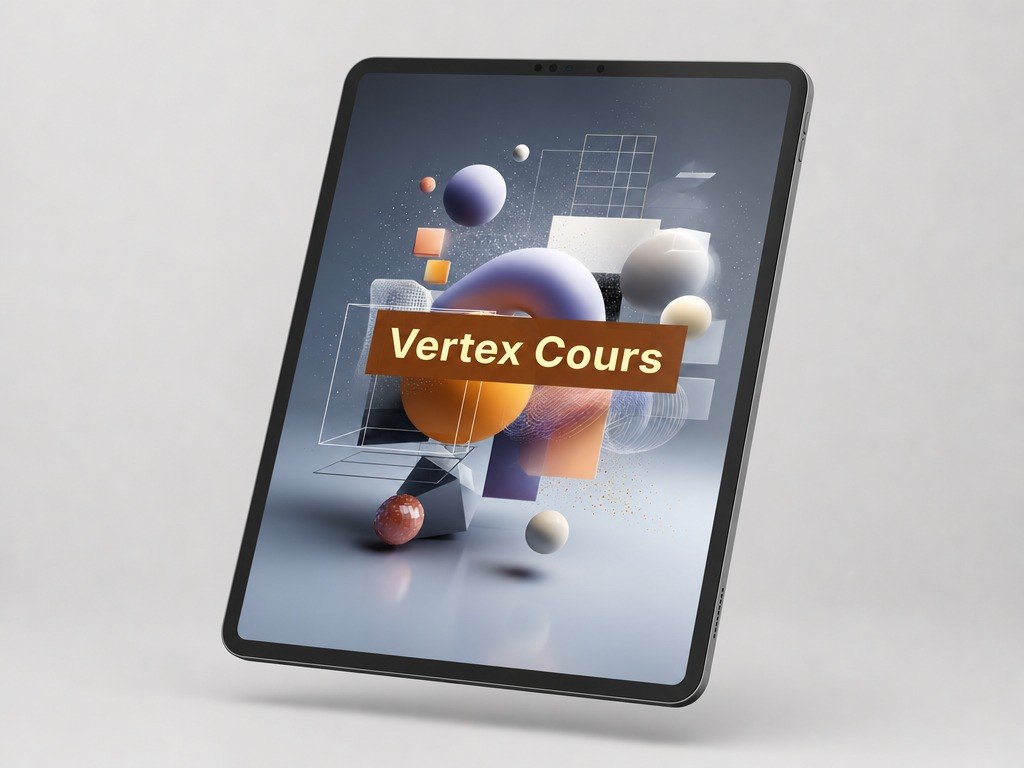
Vertex Course
Vertex Course
Couldn't load pickup availability
Share
- 🧩 Digital file available after purchase
- 📚 Long-term availability
- 🔒 Secure checkout
- 🗂️ Content updated in 2026
Self-paced learning overview
1. Problem Statement
After the starter stage in 3D modeling, learners often need to understand how an object is formed from the inside. A simple model can be built from basic forms, but the next step is learning to see its structure, lines, planes, and connection points. When these elements remain unclear, the shape may look random or visually messy. Learners may also find it difficult to understand why one model feels balanced while another looks overloaded. Vertex Course was created to help learners study the foundation of 3D shape construction through sequential topics and practical exercises.
2. Solution
Vertex Course focuses on model structure, geometry, proportions, and construction logic. Learners study how vertices, edges, planes, and silhouette work together within one object. The materials explain how to create cleaner shapes and avoid unnecessary visual noise. Practical tasks help learners gradually move from simple objects to more detailed learning models. This plan suits those who want to understand not only the outer look of a model but also its inner logic.
3. What’s Inside
- Module 1: Vertices as the Base of Shape — learners discover how construction points affect the overall structure of a 3D object.
- Module 2: Edges, Planes, and Shape Direction — learners explore how lines and surfaces create the silhouette and character of a model.
- Module 3: Clean Geometry Without Chaos — learners practice noticing extra elements and keeping the object structure clear.
- Module 4: Proportions of a More Detailed Model — learners study how part relationships affect visual perception.
- Module 5: Building a Learning Object — learners create a model with several parts while keeping logical shape and a neat silhouette.
- Module 6: Detailing Through Planes — learners understand how to add details through surface shape rather than random elements.
- Module 7: A Simple Object in a Scene — learners place the learning model in a small space with composition in mind.
- Module 8: Model Structure Review — learners learn to review their work, find weak areas, and plan refinements.
4. Who Is This For?
✅ A good fit if you:
- already know the basic concepts of 3D modeling;
- want to better understand model geometry;
- aim to create neater learning objects;
- are interested in shape, silhouette, planes, and proportions;
- want more practice building medium-complexity models.
❌ Not for you if you:
- are just starting and do not yet know the basic ideas of shape;
- are looking for a short introduction without detailed structure review;
- do not plan to complete practical tasks;
- expect materials only about finished scenes without geometry explanations.
5. What You’ll Learn
- How vertices, edges, and planes form a 3D object.
- How to see a model not only from the outside but through its structure.
- How to keep geometry cleaner during construction.
- How to work with proportions in a more detailed learning model.
- How to add details through surfaces and silhouette.
- How to place an object inside a small scene.
- How to review a model and plan refinements.
- Practical outcome: a learning 3D model with thoughtful structure, basic detailing, and a neat scene presentation.
6. Support & Purchase Terms
Vertex Course includes learning materials, practical exercises, and explanations intended for sequential study of 3D shape structure. Before placing an order, we recommend reviewing the plan description carefully to understand its topics and format. If you have questions about the course content, the Modlixonal team can provide clarification about the materials and learning route.
1. Are the courses suitable for beginners?
1. Are the courses suitable for beginners?
Yes, the materials are created for people who want to gradually understand 3D modeling without being overloaded by complex terms. The topics are structured so learners can move from basic concepts to practical tasks at their own pace.
2. What is included in the learning materials?
2. What is included in the learning materials?
Each plan includes lessons, modules, practical tasks, and explanations of key topics. The content depends on the selected plan, but all collections are built around shape, space, details, and visual presentation.
3. Do I need previous experience in 3D modeling?
3. Do I need previous experience in 3D modeling?
Choose a plan based on how many topics you want to study. Starter options are suitable for exploring the direction, while broader collections are made for deeper study of shape, scenes, details, and composition.